

PODIUM
A deeper dive into issues that young Australians should be across. Your voices, opinions, thoughts, and analysis. Big issues, as told by you.

R U OK?
For R U OK? Day, Bailey Webster writes about living with ADHD, depression and anxiety, and what it took to answer "I'm fine" when they weren't. Drawing on their own experience of crisis and hard moments, Bailey makes the case that checking in on someone doesn't require the right words, just genuine attention, and that the conversation shouldn't stop when the day ends.
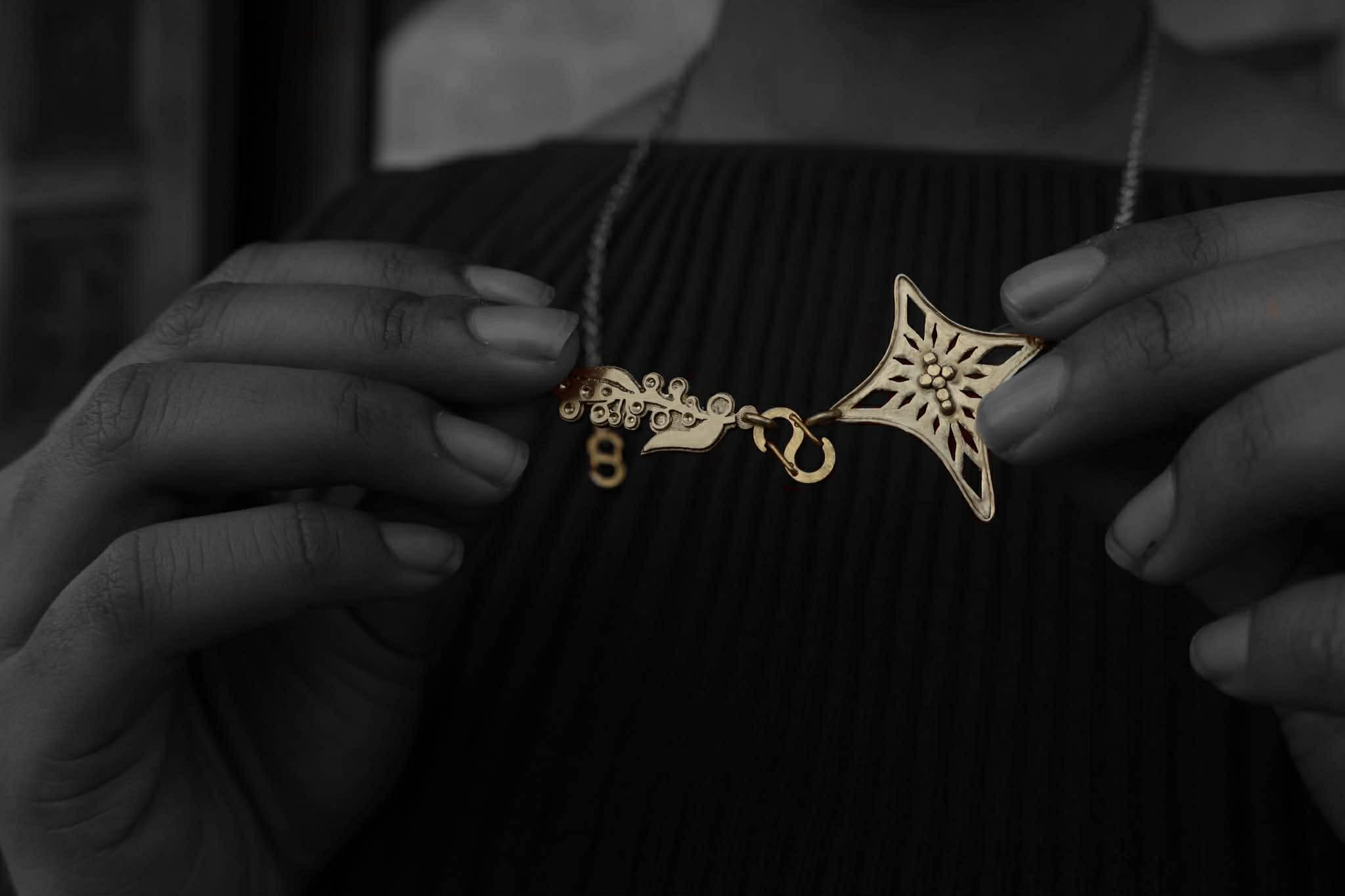
SKILLS FOR A SHARED FUTURE: AUSTRALIA MUST REVALUE AND REINVEST IN VOCATIONAL EDUCATION
For World Youth Skills Day, Grace Pearson considers the role of vocational education in a changing Australian future. Reflecting on this year’s theme, Skills for a shared future, Grace argues that Australia must reinvest in and revalue vocational education to better equip young Australians with transferable skills for meaningful and stable employment. Drawing from conversations with friends, Grace highlights the importance of increasing participation and access to vocational education in Victoria.
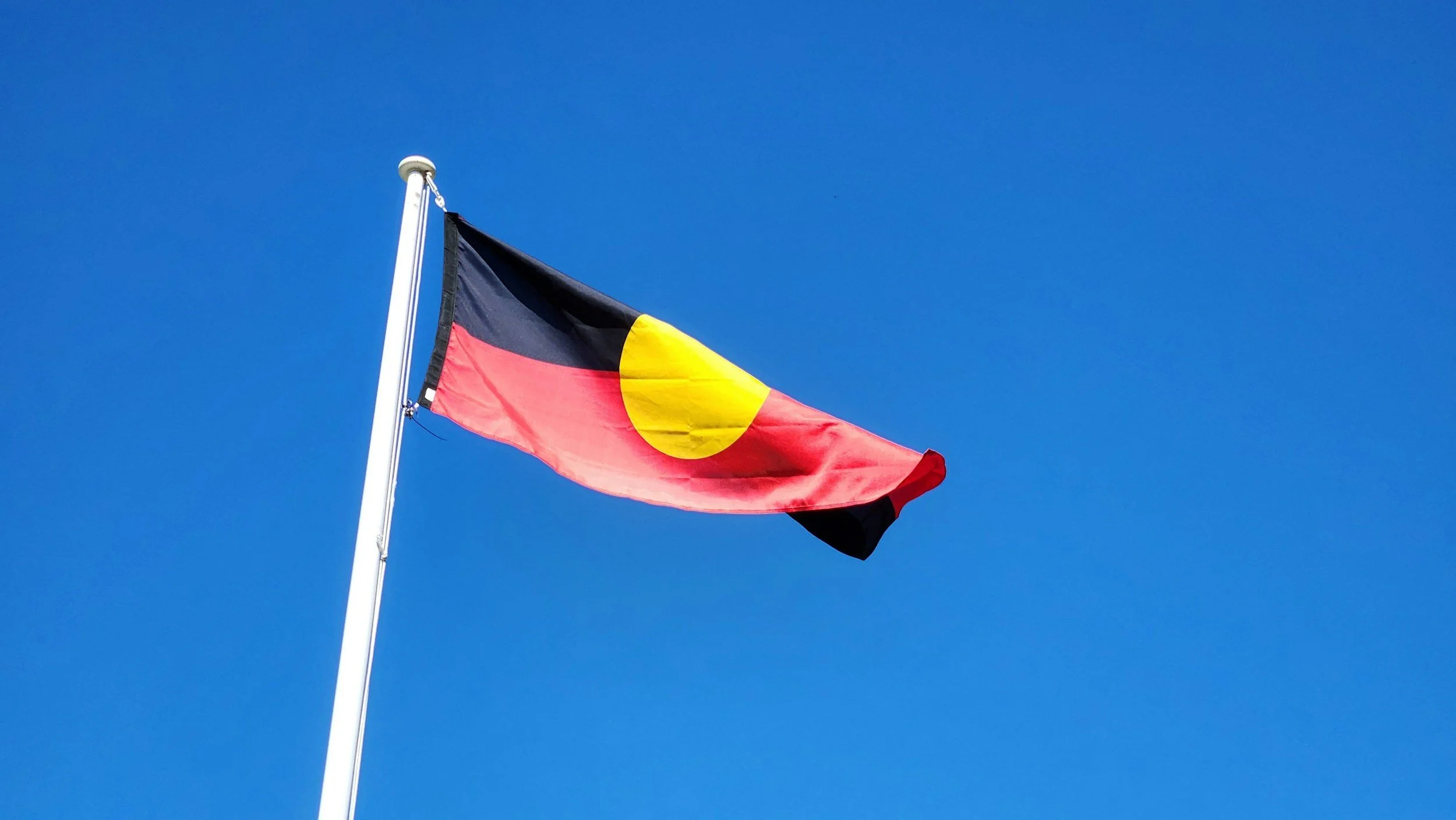
50 YEARS OF DEADLY, YET 238 YEARS OF NO GOVERNMENT ACCOUNTABILITY
In this piece, Leanne Djilandi Dolby, working in digital journalism at the National Indigenous Times, reflects on this year’s NAIDOC Week theme: 50 Years of Deadly. Leanne discusses the systemic injustices perpetuated by the Australian Government, including ongoing police brutality. In doing so, Leanne contends that the Australian Government must act on the recommendations of inquiries and commissions, rather than treating them as optional.
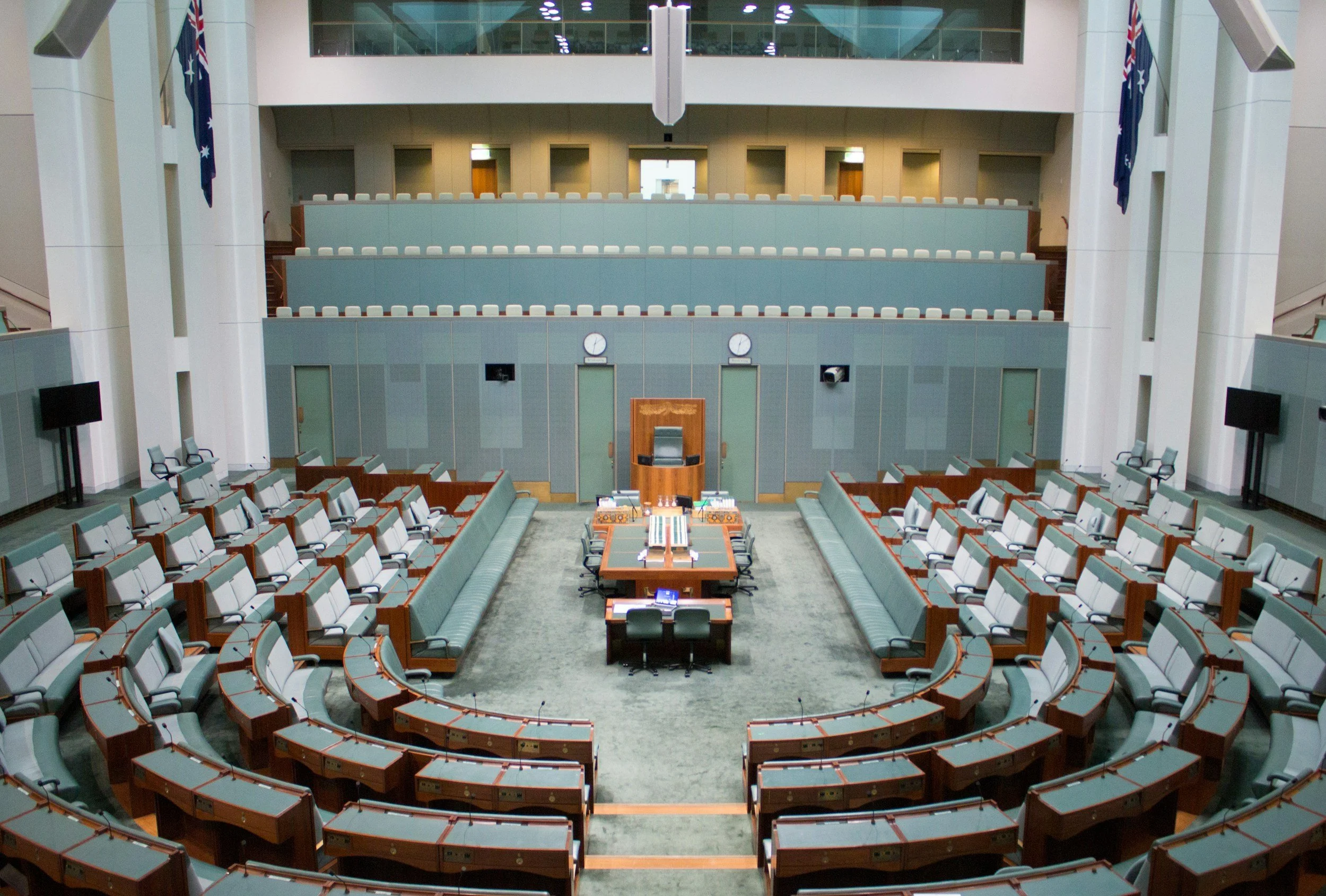
21 YEARS COVERING POLITICS: LESSONS FROM THE PARLIAMENT AND THE PROMISING ROLE OF YOUTH IN AUSTRALIAN POLITICS
“I have to do my job fairly, and without favours. I can’t be too nice. I can’t be too frightened to tackle something strongly.”
For the International Day of Parliamentarism, Grace Pearson in conversation with Joe Spagnolo, discusses the changing demographic of Australian parliaments, the importance of journalism and the promising role of youth in Australian politics. Joe Spagnolo is the political editor of The Sunday Times in Western Australia. This piece touches on the increasing importance of social media in election campaigns, and challenges faced by young persons hoping to be elected to parliament. Joe shares some advice he’s received over his career, and imparts some of his own.

Governance has a representation problem: Why Australia's governance system needs a transformation
This piece by Adele Roeder, Grace McBride and Michelle Lim, young Board Directors with Just Governance, delves into the systems change needed to ensure that Boardroom decisions are made by those most affected by them. Australia's boardrooms remain overwhelmingly older, wealthier and more homogeneous than the communities they serve, and a growing movement is challenging traditional ideas of who is "qualified" to govern. Faced with increasingly complex challenges, organisations across Australia are beginning to recognise “lived expertise”, youth perspectives and community knowledge as essential governance assets rather than optional extras.
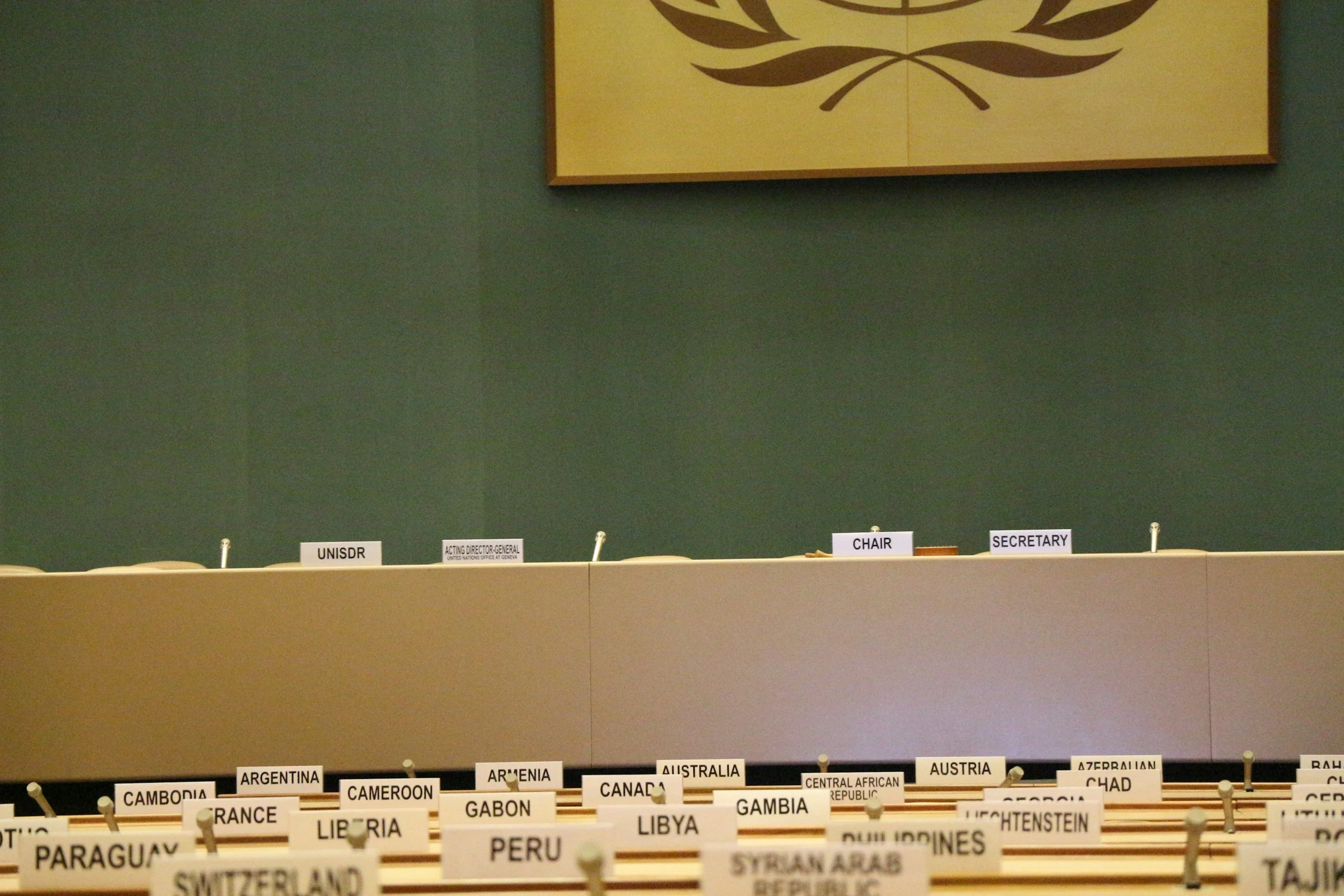
HOW WOMEN IN DIPLOMACY CHANGED THE WAY I SEE GLOBAL LEADERSHIP
On International Day of Women in Diplomacy, Amy Hawking examines global leadership as a question of how authority is constructed and sustained under conditions of constraint, rather than simply who holds power. Across diplomacy, crisis management, and multilateral governance, leadership is increasingly shaped by legitimacy, communication, and institutional interdependence rather than coercive capacity alone. Examining the rise of women in diplomacy, alongside figures such as Angela Merkel and Jacinda Ardern, reveals that leadership is not a fixed attribute of individuals or states, but a contested practice formed through negotiation, visibility, and public trust within complex global systems.
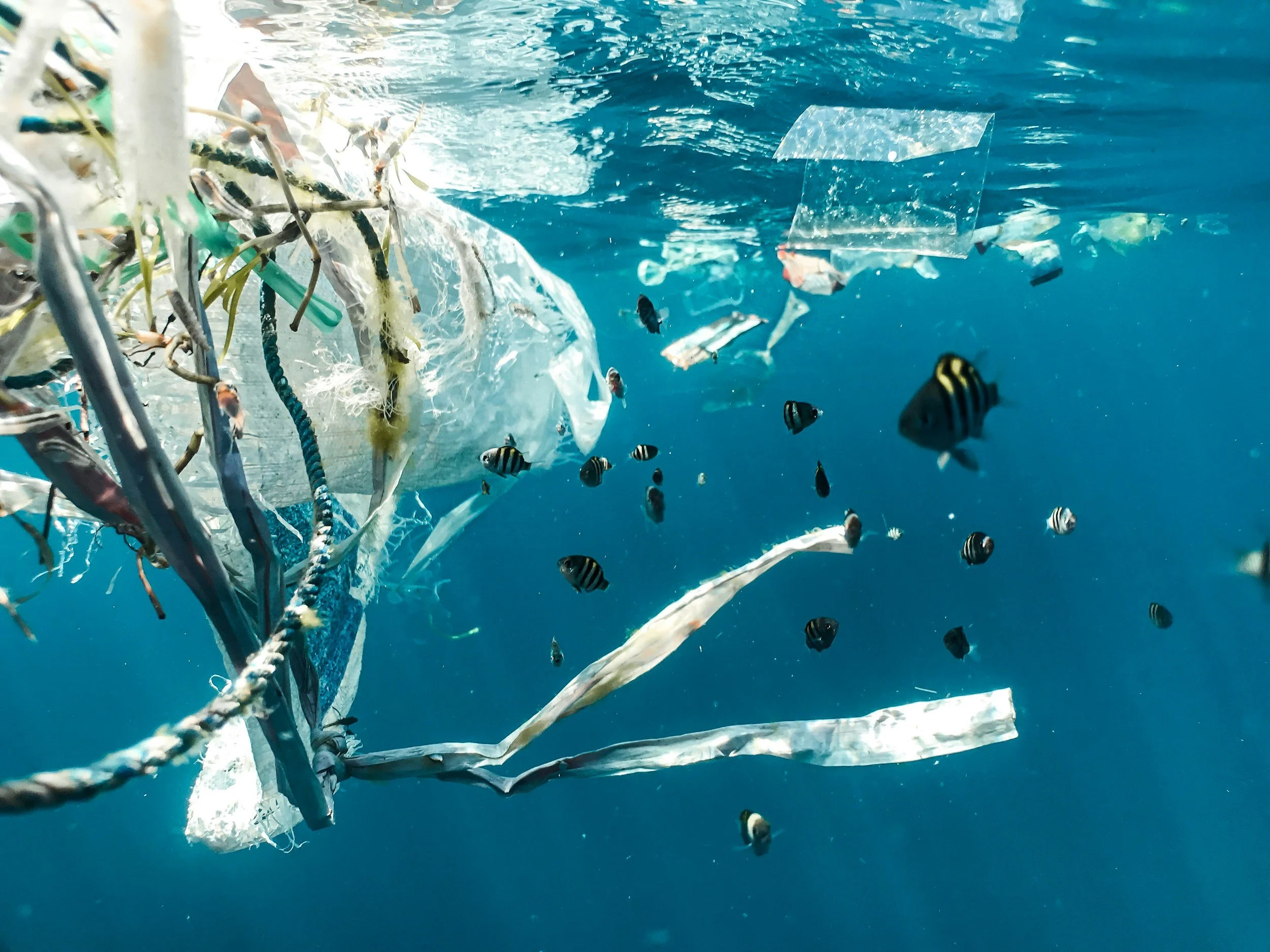
A FUTURE BEYOND PLASTIC: THE YOUTH COMMUNIQUE TO END PLASTIC POLLUTION
On World Oceans Day, Dr Babet de Groot highlights the urgency of addressing plastic pollution as a defining environmental challenge of our time. Drawing on insights from the Youth Communiqué to End Plastic Pollution, she amplifies the voices of young people calling for action on the systems driving plastic waste, from production to disposal. Their message is clear: protecting the world’s oceans requires more than cleanup efforts - it demands coordinated global action, stronger governance, and meaningful inclusion of those most affected by environmental decline.
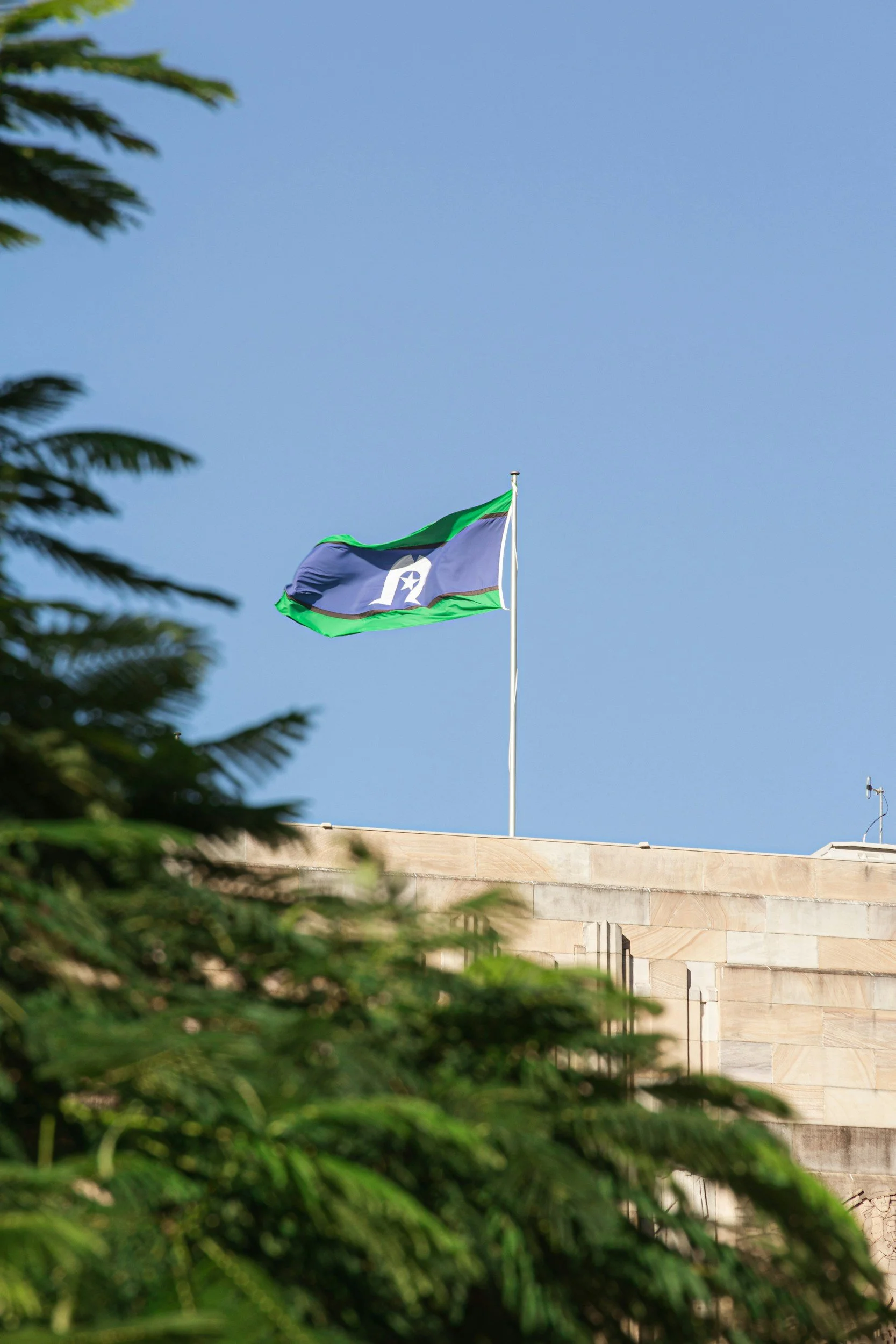
ON EDDIE KOIKI MABO'S ENDURING LEGACY: TOM HUGHES
In this personal reflection, Tom Hughes explores the life and legacy of Eddie Koiki Mabo, the Torres Strait Islander activist whose fight for justice transformed Australia’s legal and political landscape. Tracing Mabo’s journey from Mer Island to the High Court, Hughes examines how one man’s determination helped secure recognition of Indigenous land rights and inspired generations of First Nations advocates.
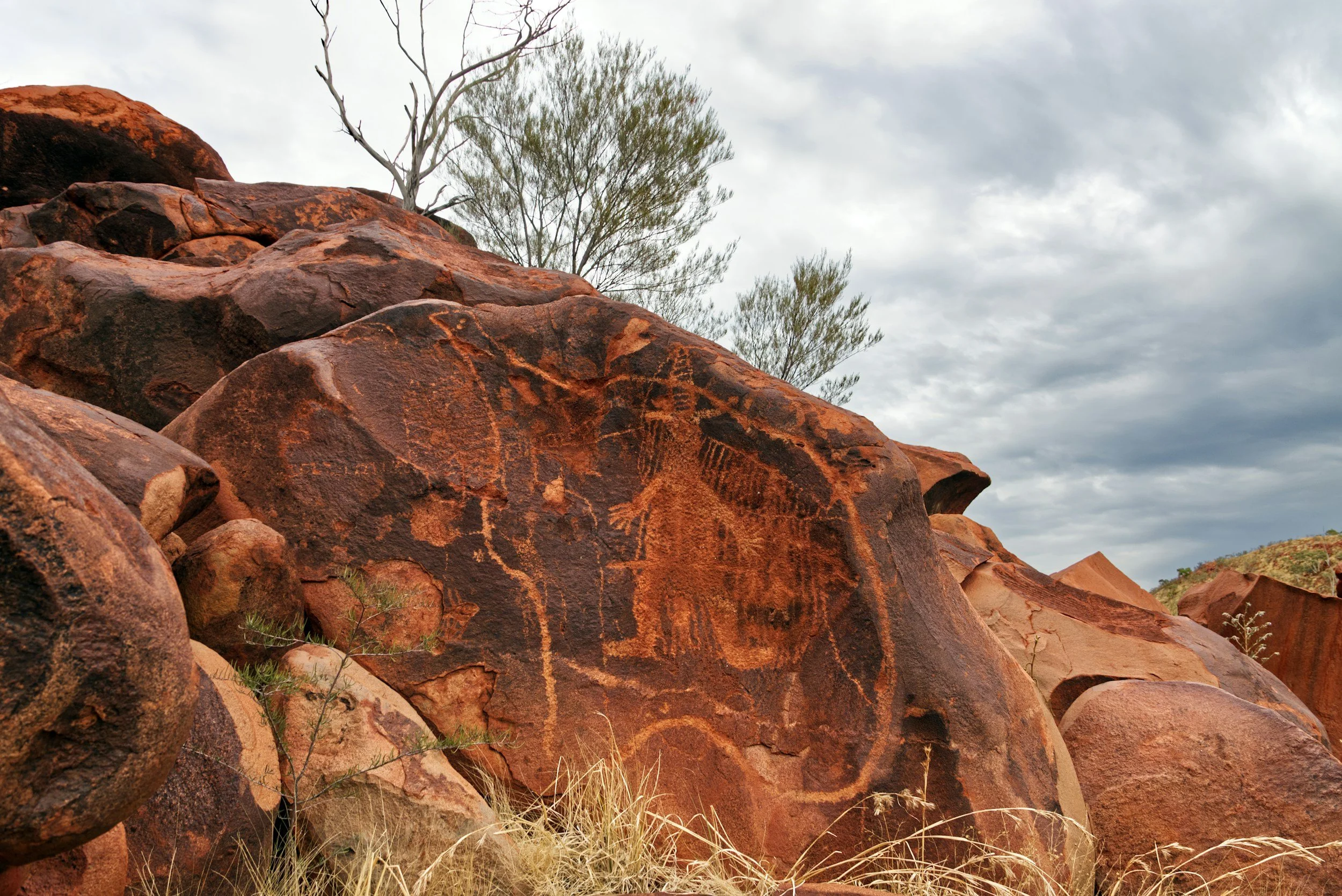
ON IDENTITY, LOSS AND NATIONAL SORRY DAY: JASMINE PURVES
For Jasmine Purves, National Sorry Day is not simply a moment of remembrance for the past; it is a reminder of losses that still echo through generations today. As a Gamilaroi woman from Northern New South Wales, Purves reflects on the lasting impacts of the Stolen Generations, exploring how disrupted identity, culture and kinship continue to shape the experiences of Aboriginal families and descendants.
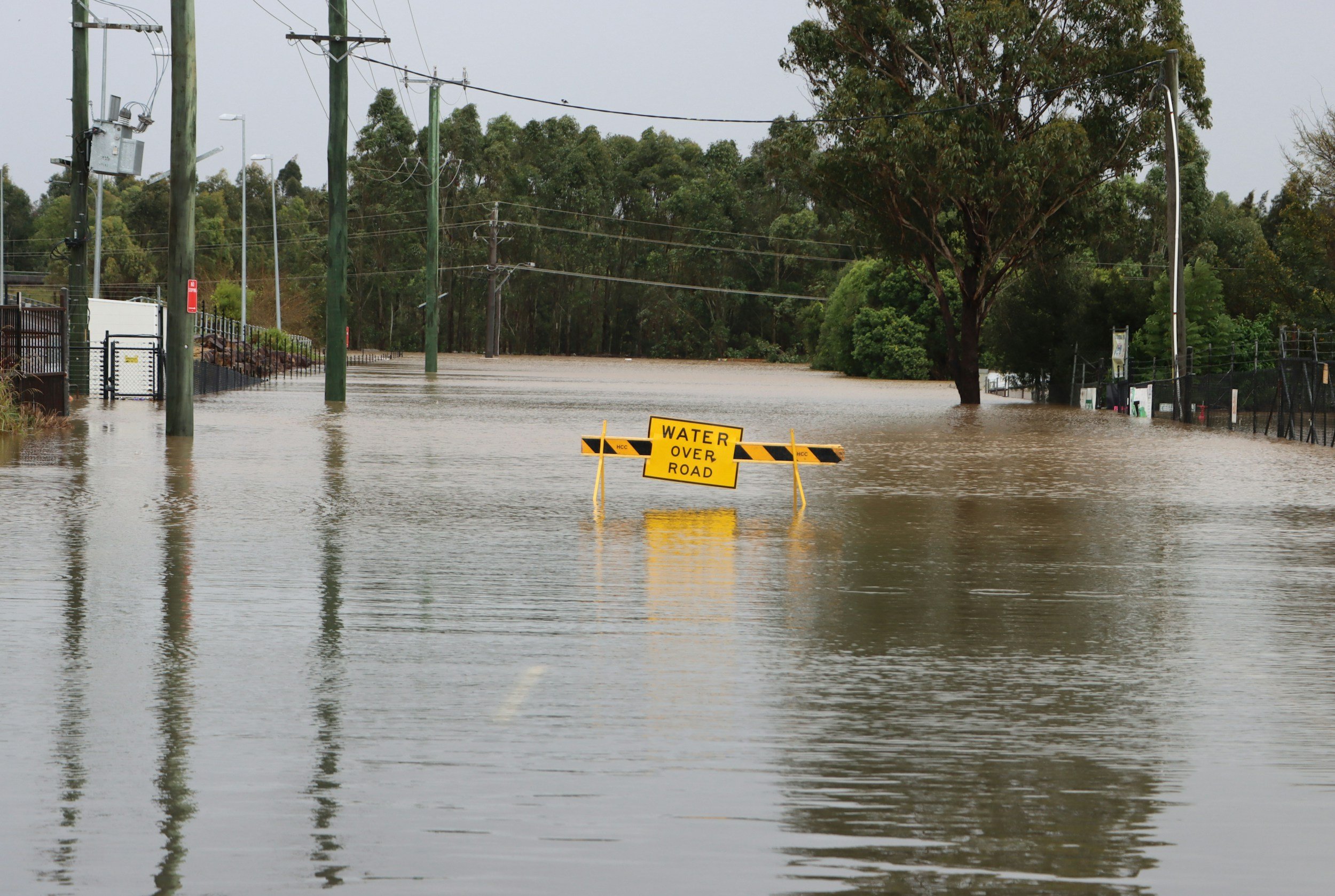
PRICED OUT AND LEFT BEHIND: AUSTRALIA'S HOME INSURANCE AFFORDABILITY CRISIS
This piece by Lachie Thomas examines the intersection of climate change, housing affordability, and financial risk in Australia. It explores how rising insurance premiums are forcing households to underinsure or go without cover, the cascading consequences for individuals and the broader economy, and what a proactive, coordinated policy response must look like to avert a deepening crisis.
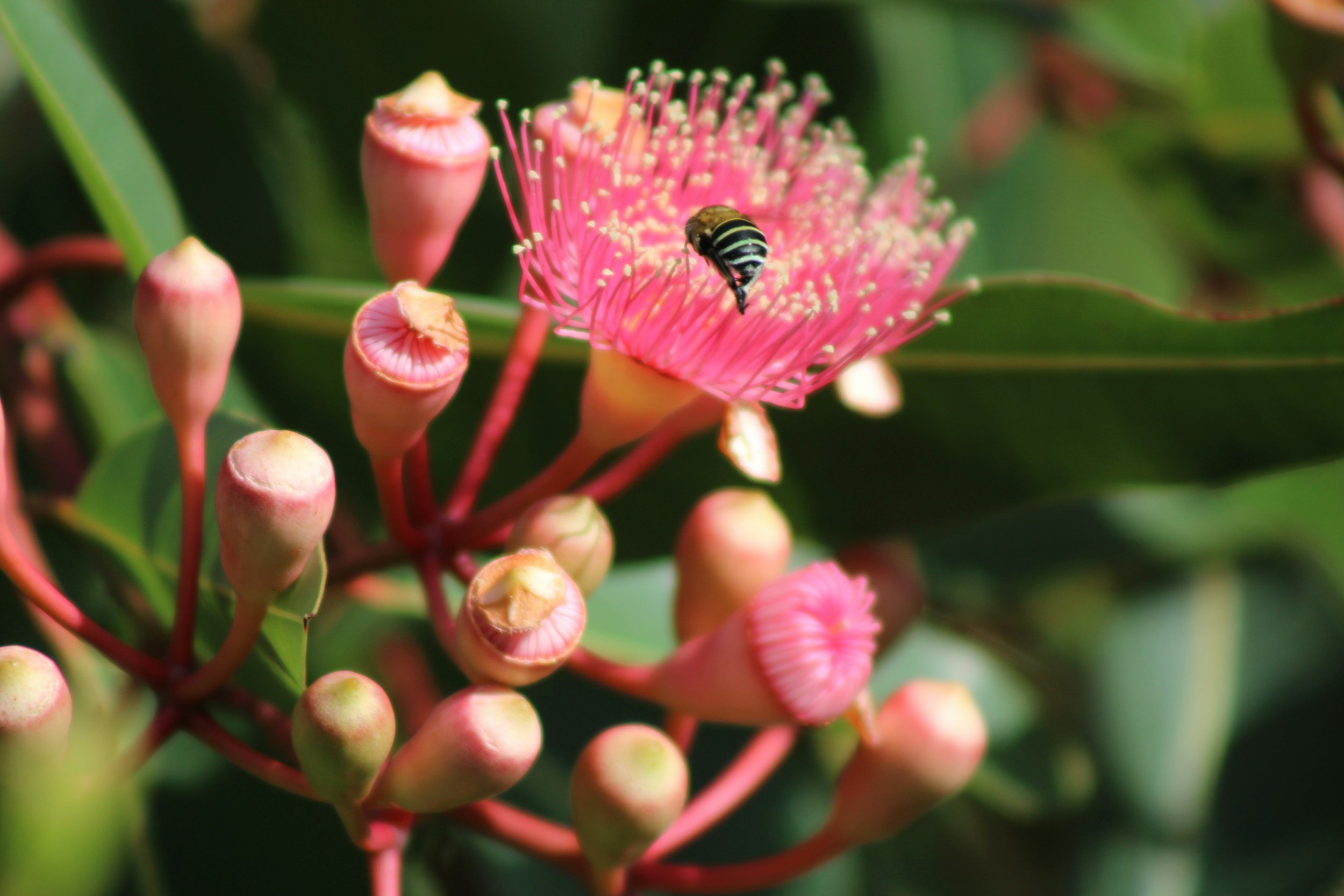
INSECTS AND THE CITY: THE GIRLS THAT RUN OUR GREEN SPACES
Whilst we enjoy the fresh air and blooming flowers around us, an entire network of insects works overtime to keep our ecosystem flourishing. For World Bee Day, Clancy Lester, Nature Lover and Native Bee Nerd, takes a closer look at some of the most dramatic insect interactions: from the blue-banded bee to the matchstick grasshopper, Clancy sheds light on some all too familiar dating tropes that plague both insects and humans alike.
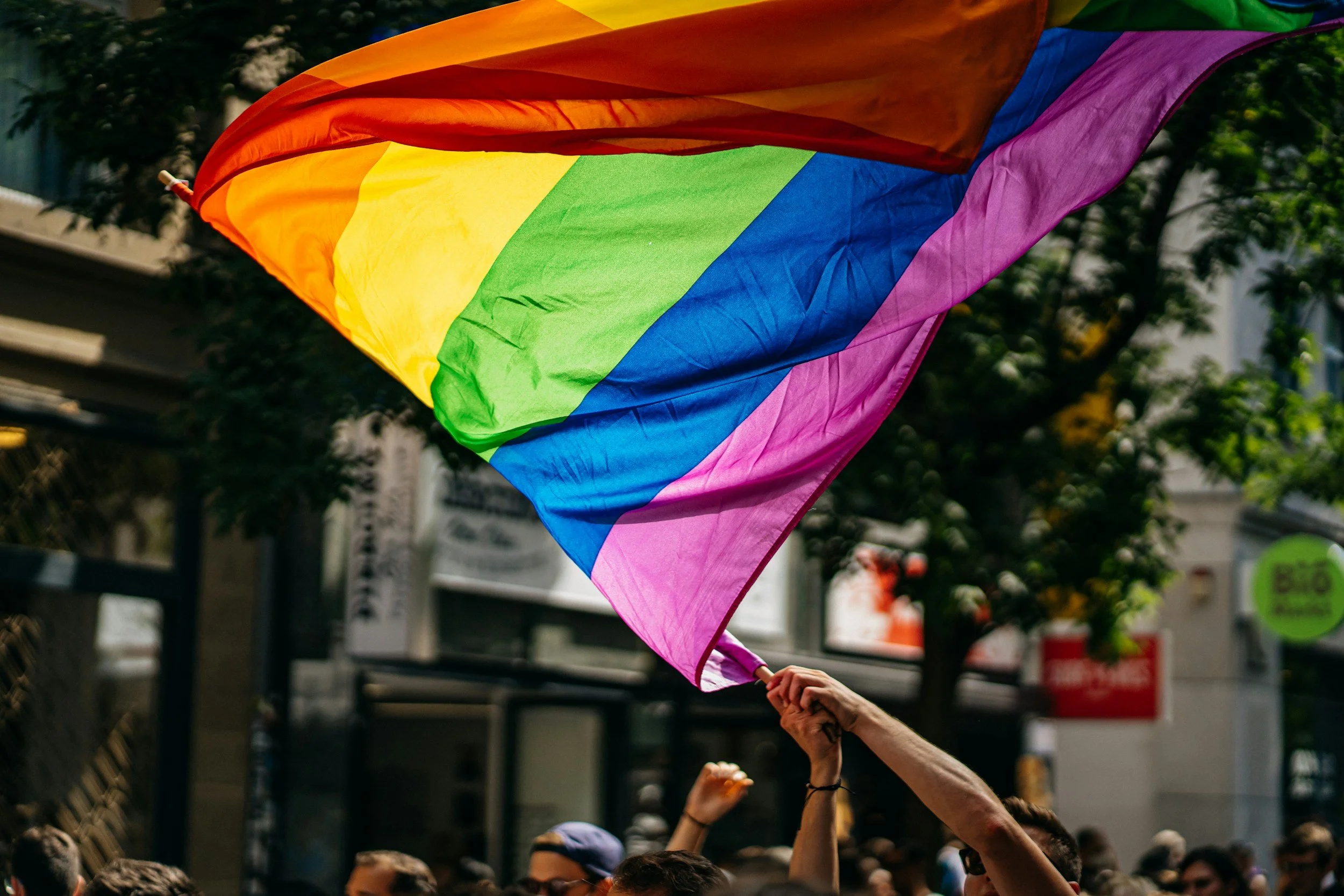
MORE THAN A RAINBOW: IDAHOBIT, HARMONY, AND THE WORK AUSTRALIA STILL HAS TO DO FOR QUEER YOUNG PEOPLE
For the International Day Against Homophobia, Biphobia, Interphobia and Transphobia (IDAHOBIT), Heet Babla reflects on how Australian schools, workplaces and sporting codes mark the day with rainbows and awareness events. But behind the ceremony, national data tells a different story. Babla argues that Australia has mastered the observance of anti-discrimination days while deferring the structural work they were designed to demand. Queer young people are paying the price.
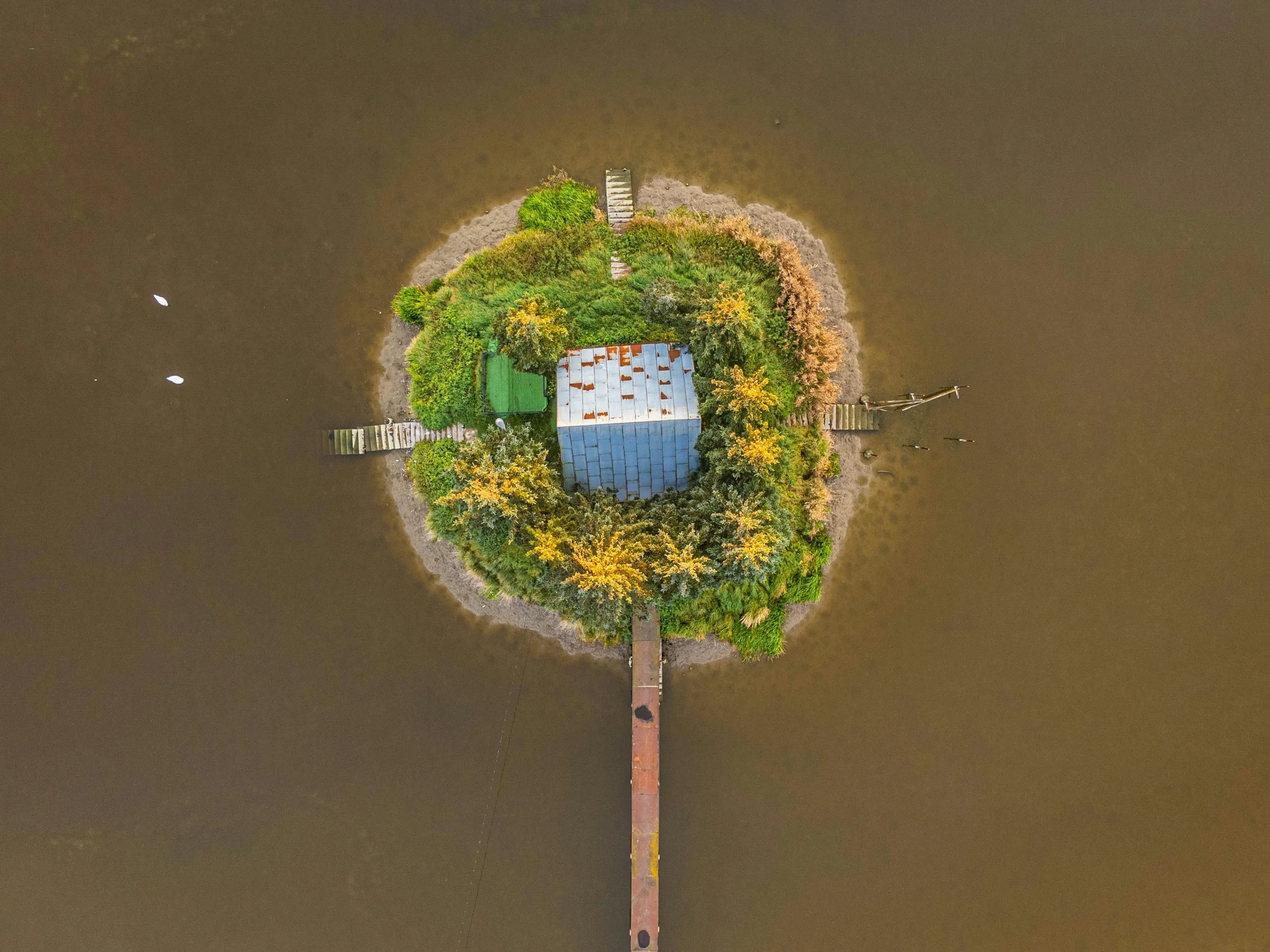
BRIDGING THE CLIMATE DIVIDE: YOUNG PEOPLE LEADING THE WAY FOR OCEANIA AND THE CARIBBEAN
Adele Roeder, Orit Novak, Chelsea Adams and Zahiris P. Francisco.
Young Australians are witnessing escalating climate impacts at home, whereas for communities across Oceania and the Caribbean, the crisis is already a daily reality. In this article, representatives from the Oceania Caribbean Climate Alliance (OCCA) explore the urgent need to move beyond statistics and toward genuine, youth-led collaboration that centres lived experience in climate solutions. They highlight how connecting frontline voices can reshape policy, strengthen accountability, and drive more just and effective climate action.

SPORTS DIPLOMACY AND THE 2032 OLYMPICS: A MISSED OR POTENTIAL OPPORTUNITY FOR AUSTRALIA?
The 2032 Brisbane Olympics are on the horizon, providing a unique opportunity to leverage sports as a catalyst for meaningful global change and knowledge diplomacy in the Asia-Pacific region. Despite sport being central to Australia’s national identity and a powerful soft-power tool, fragmented strategy and poor coordination have left its diplomatic potential largely unrealised. Zikr Devjee and Moses Iji raise the question: Will Australia stop overlooking sports diplomacy and act on the opportunity of a lifetime?
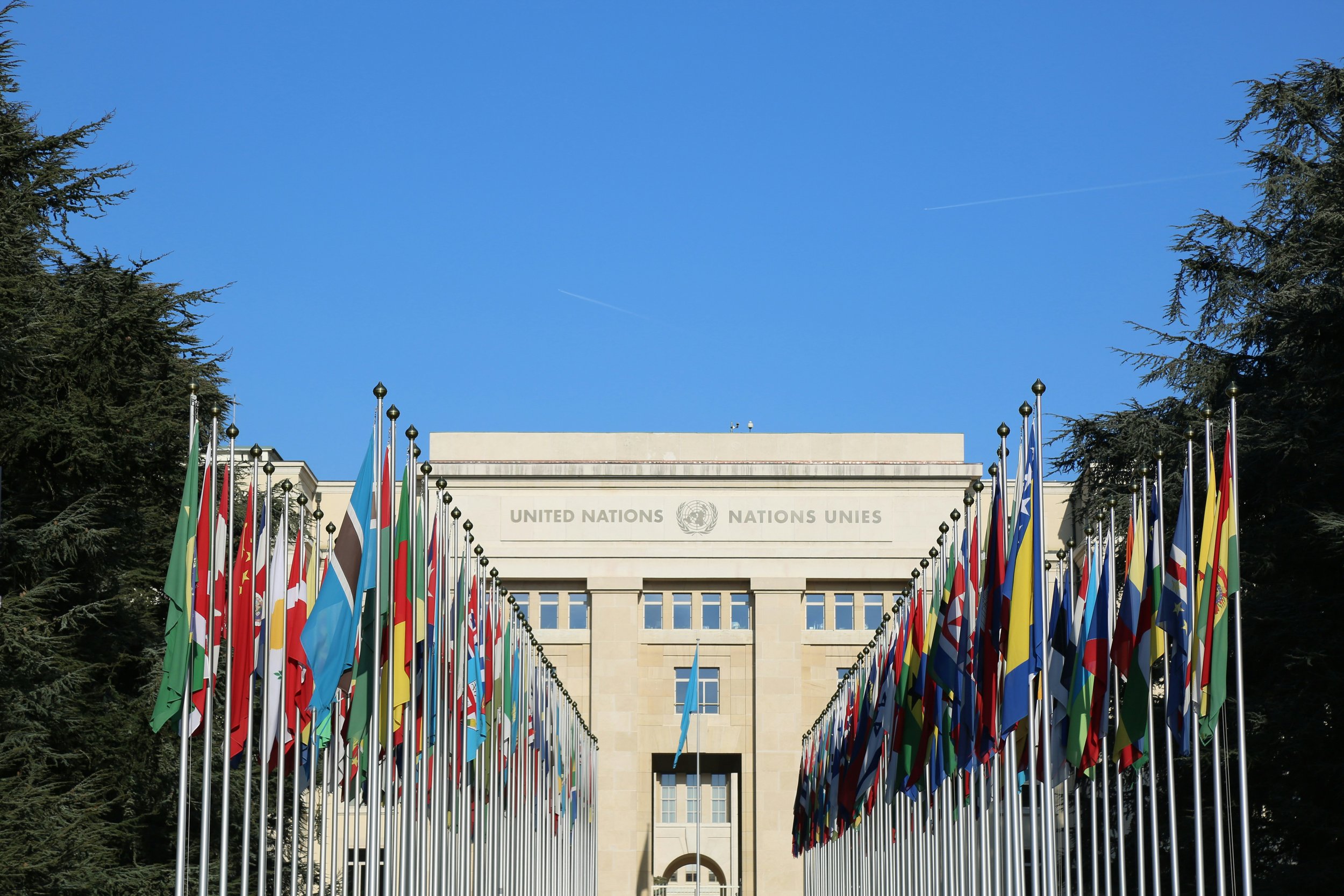
7 REASONS WHY WE STILL ENGAGE WITH THE UNITED NATIONS
This piece by Asha Clementi, Babet de Groot, and Isabelle Zhu-Maguire reflects on why they continue to engage with the United Nations at a time of growing scepticism. Written for the International Day for Multilateralism and Diplomacy for Peace, the article draws on their first-hand experiences across UN forums to examine the institution’s enduring value. From sustaining diplomatic dialogue to shaping global norms and strengthening grassroots movements, it argues that despite its flaws, multilateralism remains essential to addressing shared global challenges.

AUSTRALIA’S MOST CRITICAL WORKERS ARE ALSO ITS MOST FINANCIALLY STRESSED
By Amy Mance, CEDA Economist
For young Australians deciding on a career path, financial conditions across occupations send important signals that can influence decision-making. But what happens when these signals direct young Australians away from essential occupations such as health, education, care, and emergency services?

WE ARE FAILING OUR WOMEN: THE GENDER PAY GAP AND AUSTRALIA'S LONG PATH TO A "FAIR GO"
This piece by Isabelle Milic examines the structural inequalities underpinning the gender pay gap in contemporary Australia. It identifies the key cultural, social, and economic mechanisms that sustain workforce inequality, highlighting early gender conditioning, the undervaluation of female-dominated industries, and barriers to career progression. It ultimately calls for both systemic reform and a broader cultural shift in narrative.
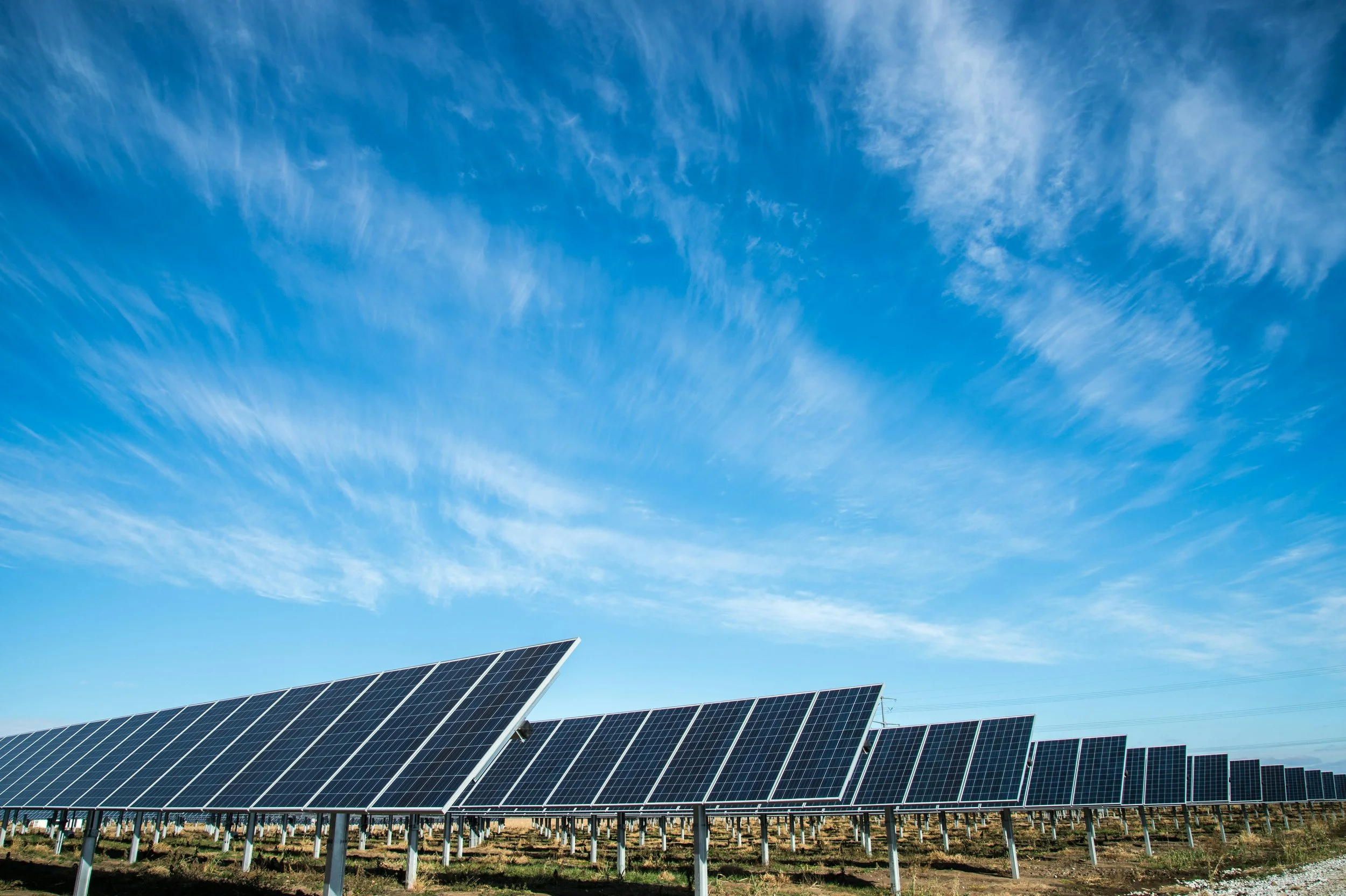
PROGRESS OVER PERFECTION: THE TENSIONS IN AMBITIOUS ENERGY TARGETS, A SOUTH AUSTRALIAN CASE STUDY
In this week’s Global Shapers Community feature, Michelle Howie explores the tension between ambition and realism in the energy transition, using South Australia’s renewable electricity target as a case study. Writing as both an energy professional and emerging leader, she reflects on how bold targets can inspire progress while risking disillusionment if not matched with clear delivery pathways.
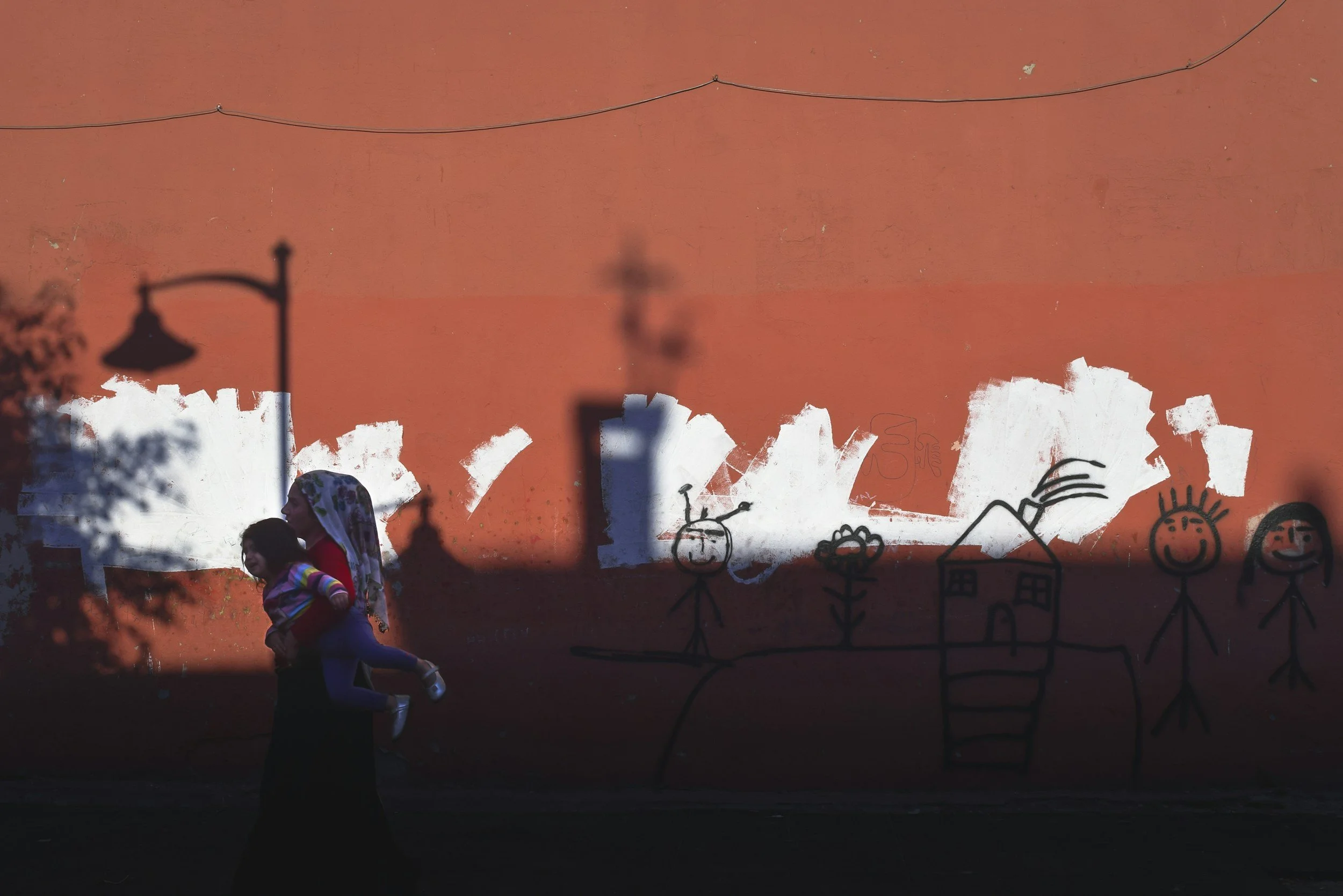
TRUTH UNDER THREAT: WHY THE RIGHT TO KNOW MATTERS MORE THAN EVER
This International Day for the Right to the Truth concerning Gross Human Rights Violations and for the Dignity of Victims, Suhani Sharma interrogates the fragile nature of truth in contemporary society, challenging the assumption that it is neutral or universally accessible. In an environment increasingly shaped by misinformation, political influence, and contested narratives, the article argues that truth is not merely discovered but constructed - and often suppressed. By examining the relationship between truth, power, and justice, Sharma highlights the critical role that access to truth plays in recognising victims, preserving historical memory, and preventing the repetition of human rights abuses.
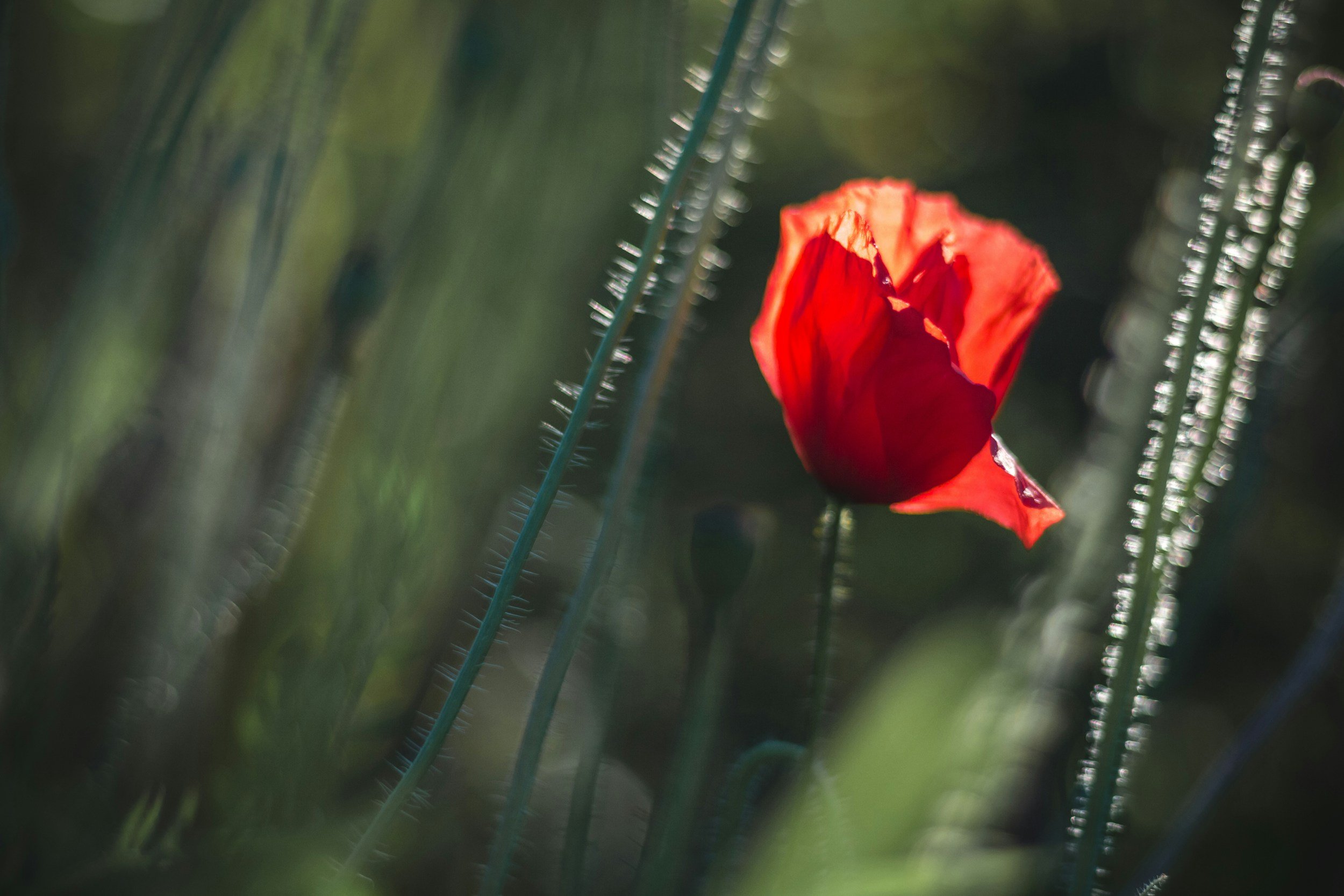
HARMONY, SILENCE AND THE TALL POPPY PROBLEM
“Real harmony is not the absence of tension. It is what emerges when societies are willing to engage honestly with difficult questions about fairness, dignity and belonging.” For the International Day for the Elimination of Racial Discrimination, Gisele Ishimwe, PHD candidate at the Western Sydney University, writes on behalf of the African Australian Advocacy Centre on what happens when racism is named and the conversation shifts from the issue, to those who’ve spoken up.